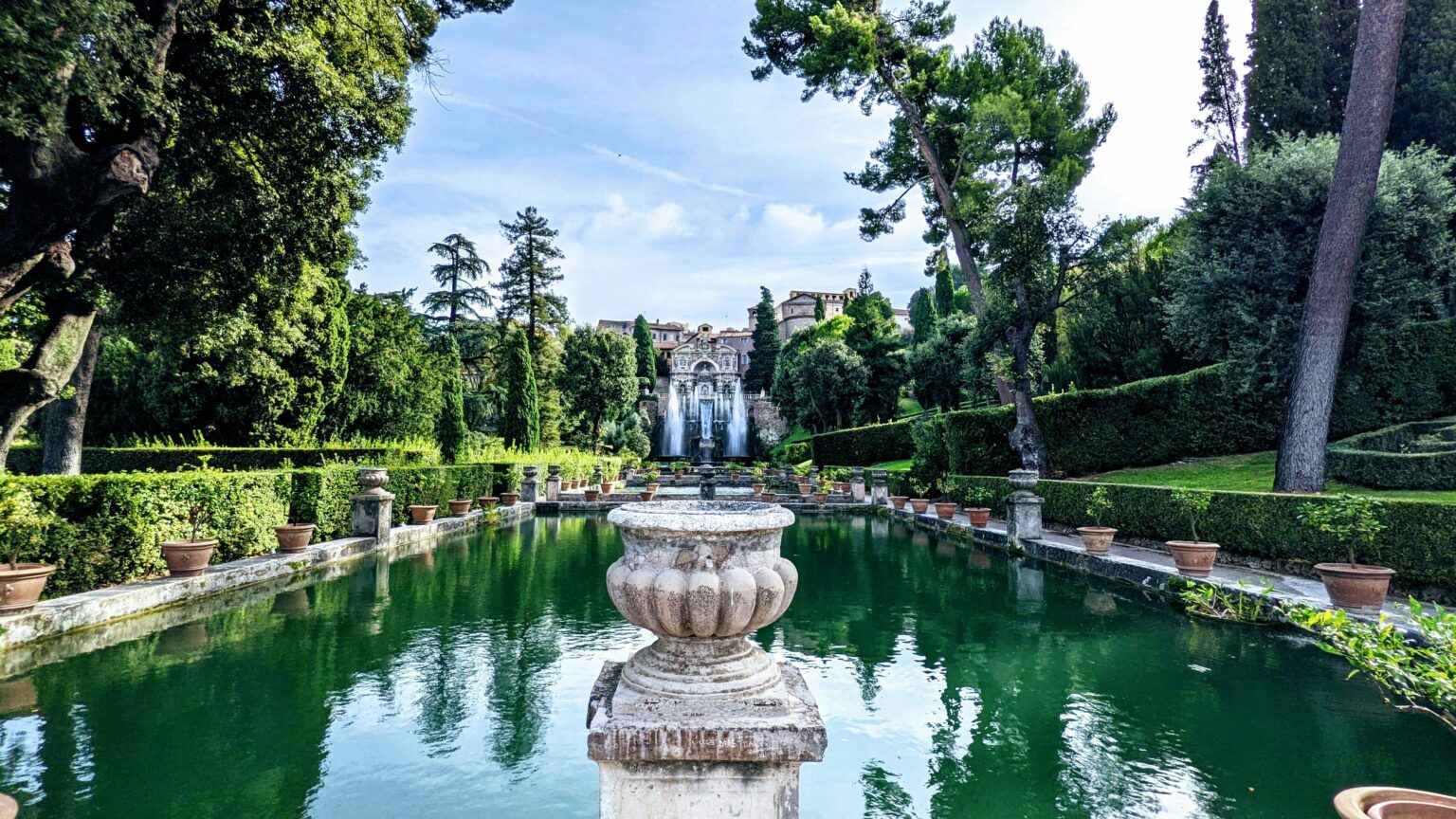
Welcome to Tivoli
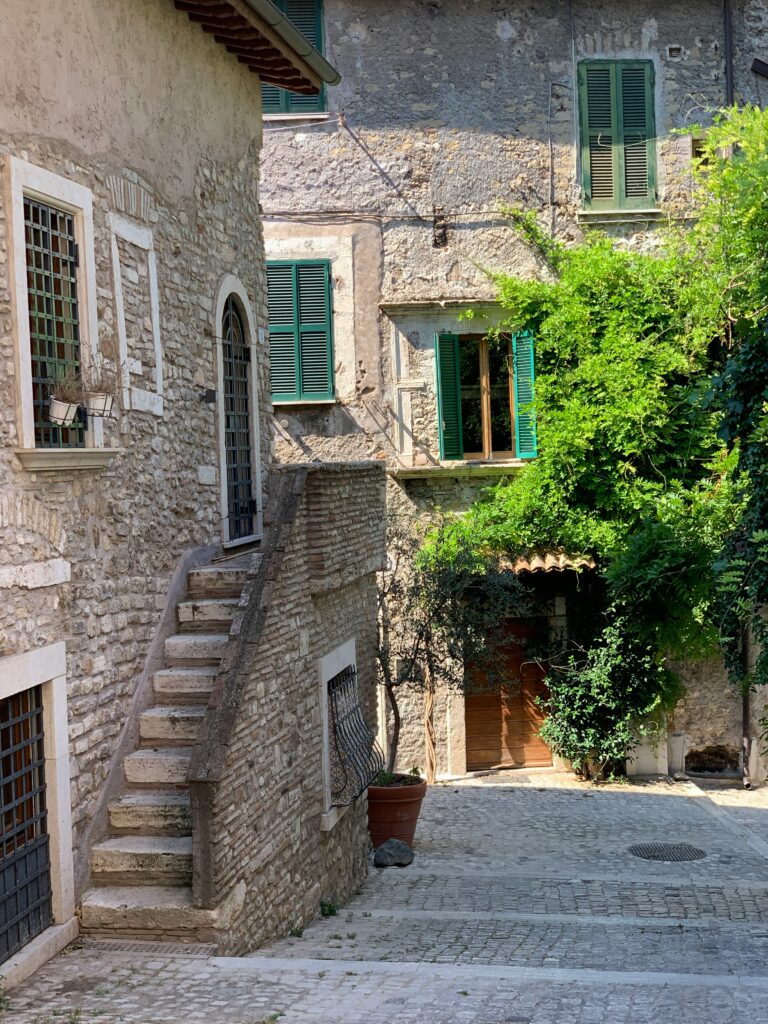
Welcome to Tivoli, where history, art, and nature blend into an unforgettable experience just a short distance from Rome. This ancient city, nestled on the Tiburtine Mountains, invites you to discover a millennia-old heritage, with breathtaking views of the Aniene Valley and its spectacular waterfalls. At the heart of its world-renowned reputation lie three magnificent villas: the Renaissance Villa d'Este, renowned for the enchantment of its gardens and its countless fountains, and the monumental Villa Adriana, the visionary imperial residence of Hadrian, both UNESCO World Heritage Sites. These are complemented by the scenic Villa Gregoriana, a natural gem with imposing gorges and waterfalls. Beyond the villas, Tivoli reveals a fascinating historical center rich in ancient relics, from the Temple of Vesta to medieval palaces, and the rejuvenating waters of the Terme Acque Albule. Tivoli awaits you for a unique journey through its wonders.
2 min walk from the Suite
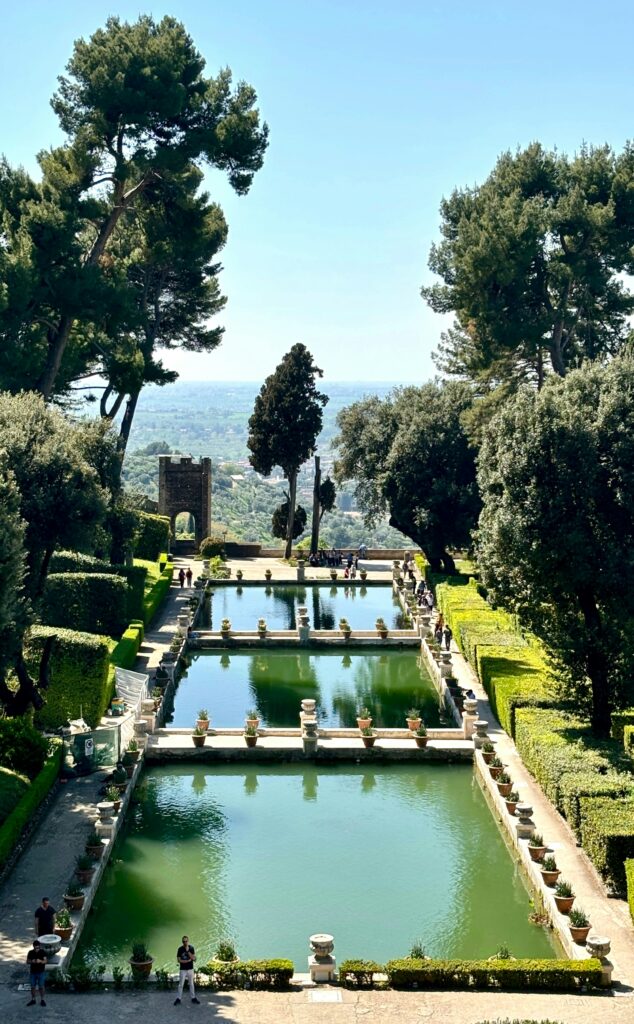
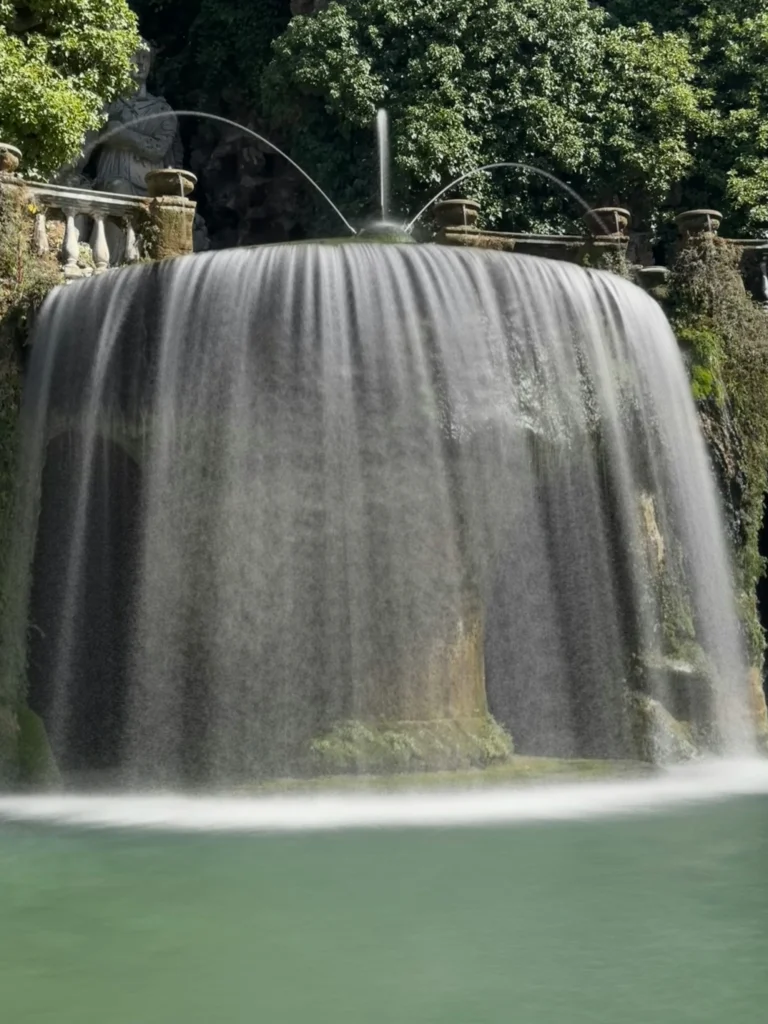
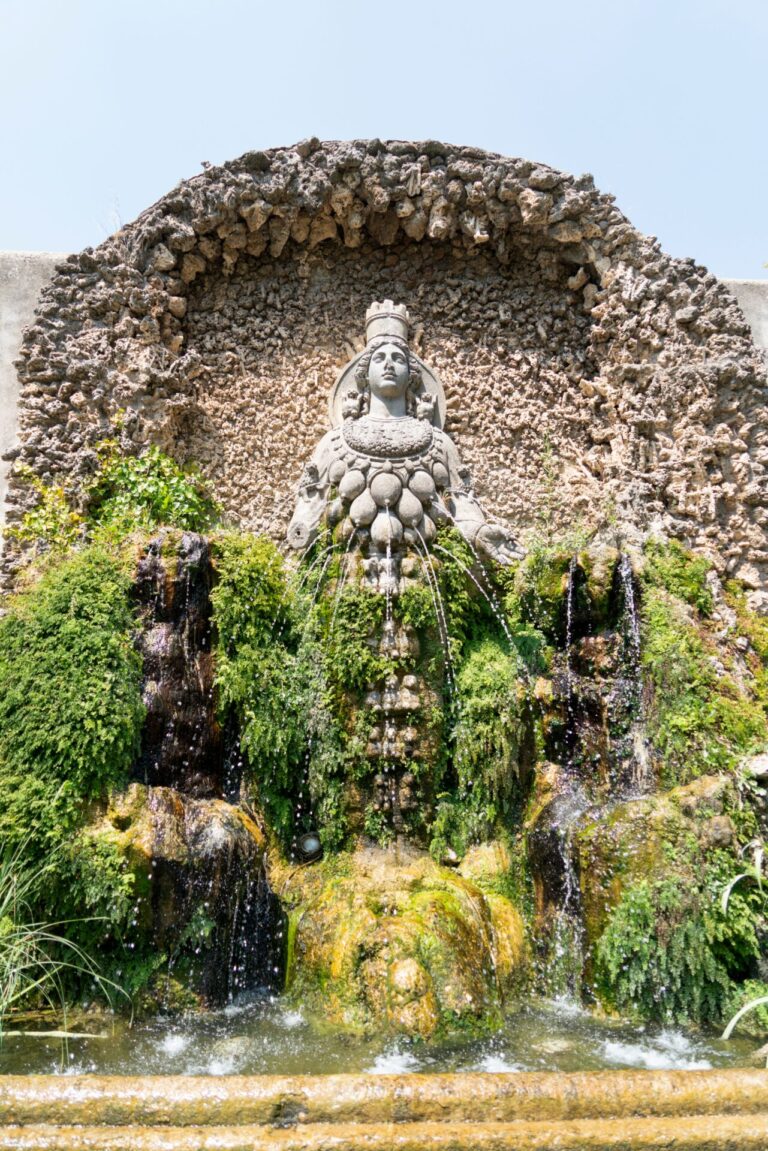
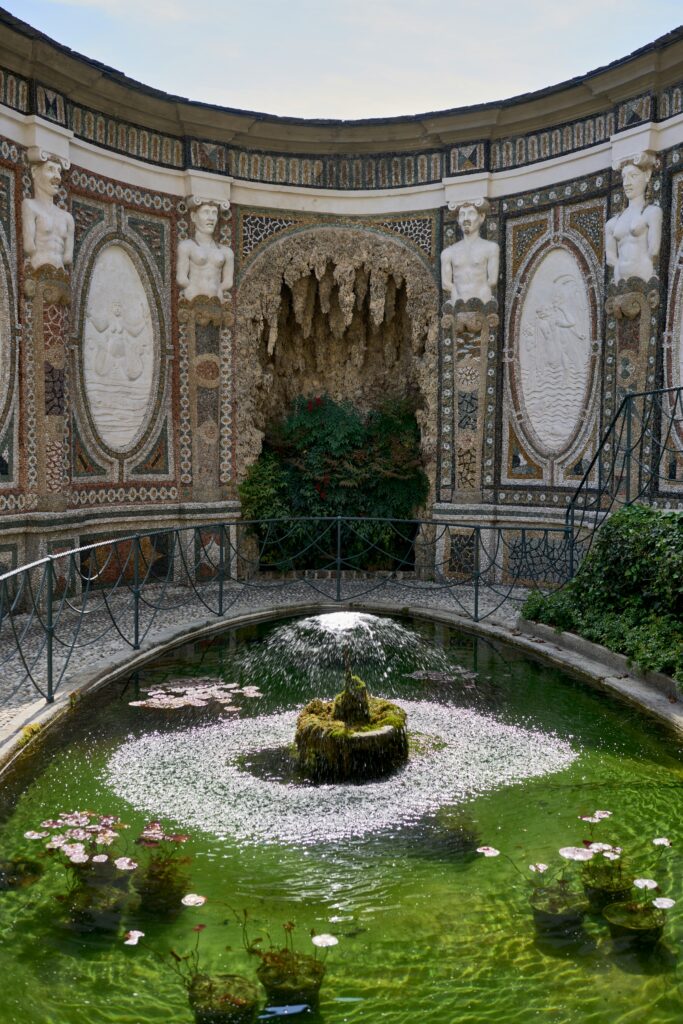
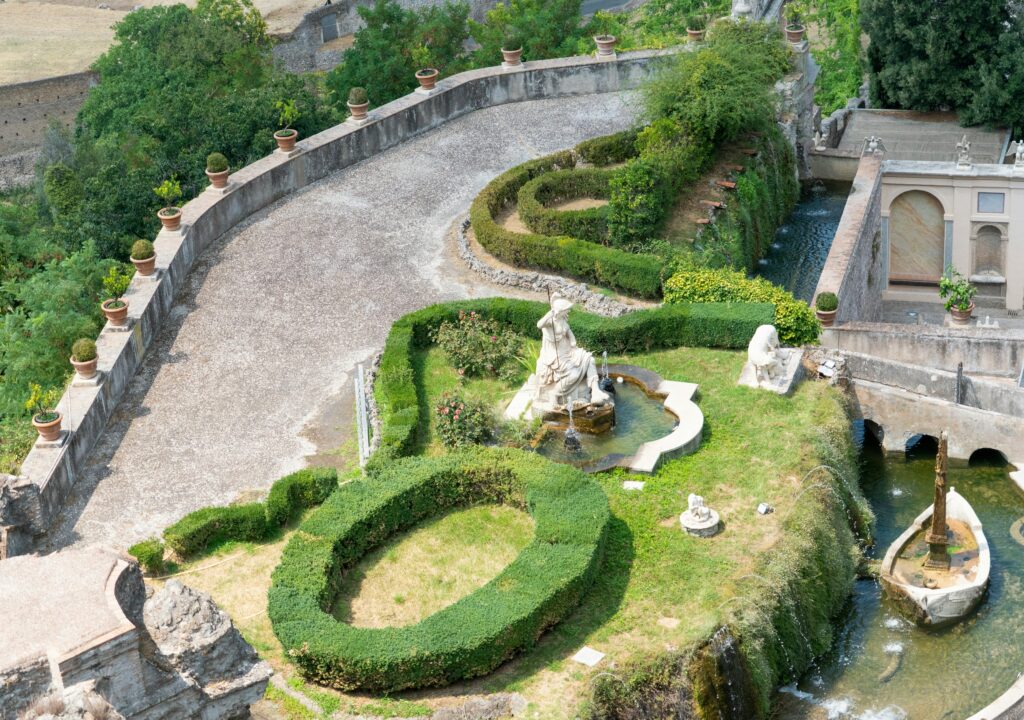
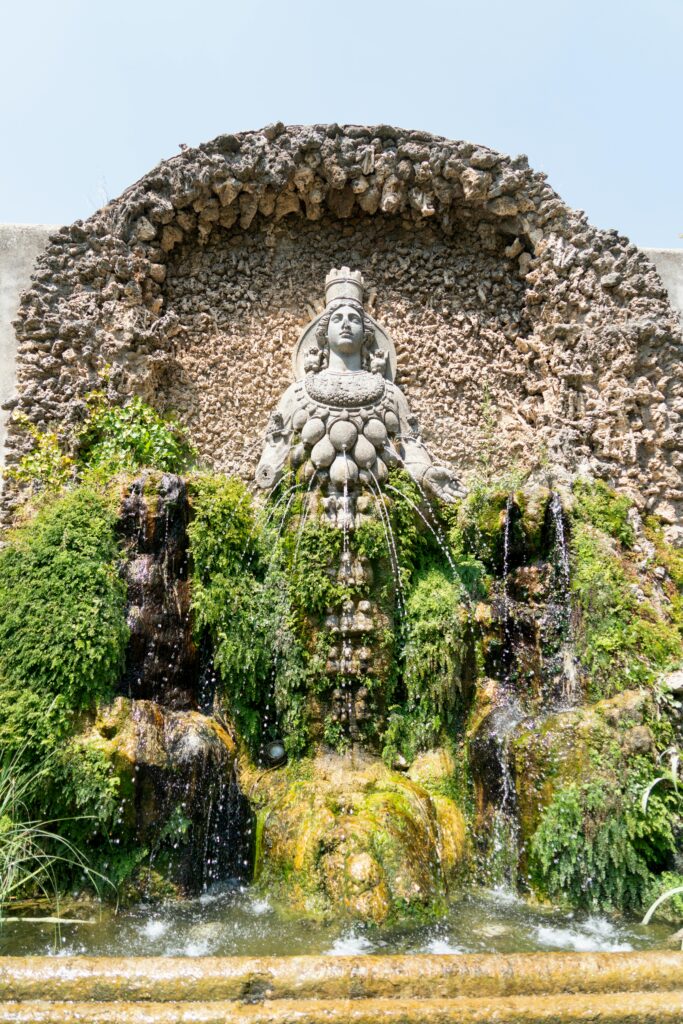
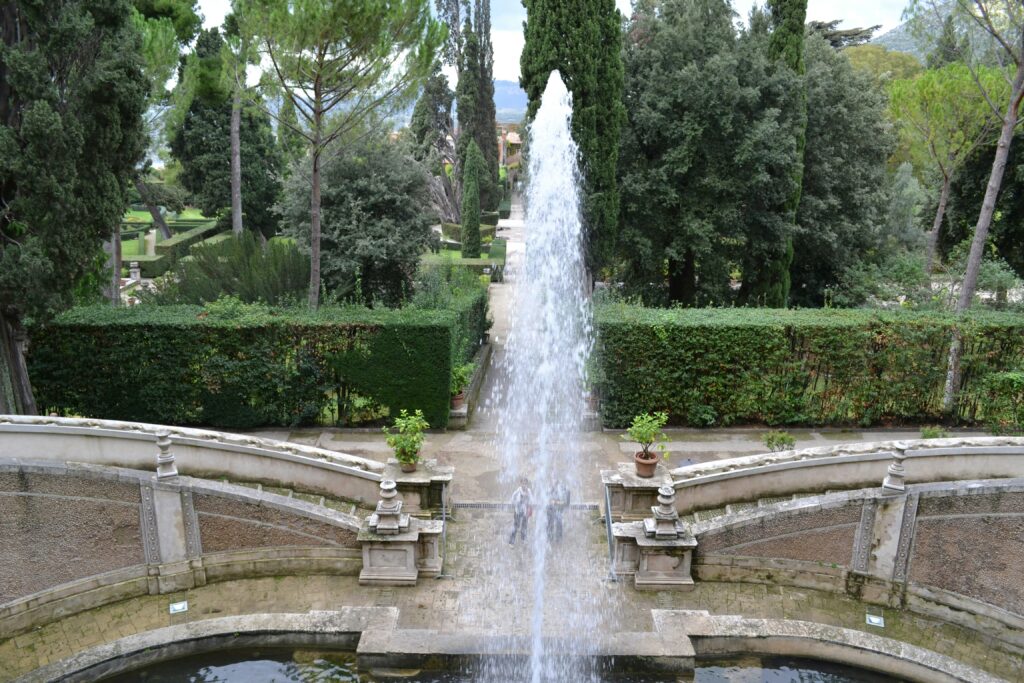
Villa d'Este
Declared a UNESCO World Heritage Site in 2001, it stands as a masterpiece of Italian garden design, celebrated for its extraordinary concentration of fountains, nymphaea, grottoes, water features, and enchanting hydraulic music.
Cardinal Ippolito II d'Este, after the disappointments caused by the failure to elect a pontiff, revived the splendour of the courts of Ferrara, Rome and Fontainebleau and restored the magnificence of Villa Adriana.Appointed Governor of Tivoli in 1550, he immediately conceived the idea of creating a garden on the slope of the Valle Gaudente, but it was only after 1560 that the architectural and iconological program of the Villa took shape, conceived by the painter, archaeologist, and architect Pirro Ligorio, and brought to life by the court architect Alberto Galvani. The palace interiors were adorned by leading figures of late Roman Mannerism, whose artistry imbued the residence with elegance and grandeur.
The Villa was nearly completed by the time of Ippolito d'Este's death in 1572. After additional modifications in the 17th century, it entered a period of decline, until Cardinal Gustav Adolf von Hohenlohe revived its splendor, even hosting the composer Ferenc Liszt (1811–1886) within its walls. Acquired by the Italian State, the Villa underwent extensive restoration between the 1920s and 1930s and was subsequently opened to the public.
4 min walk from the Suite
Villa Gregoriana
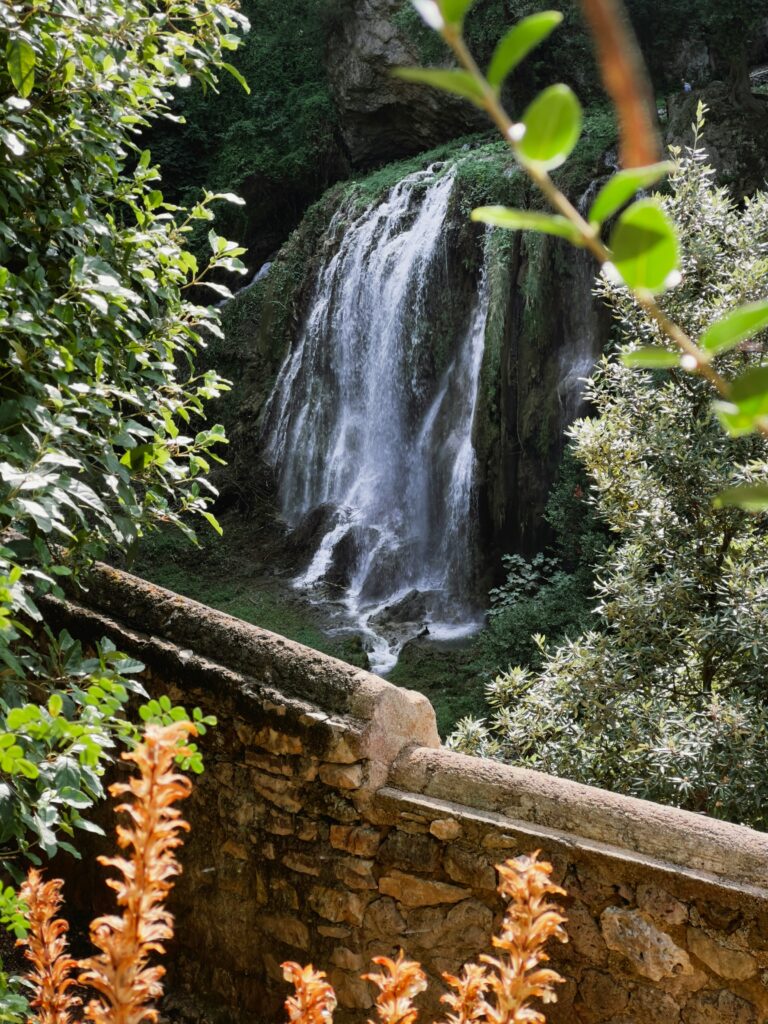
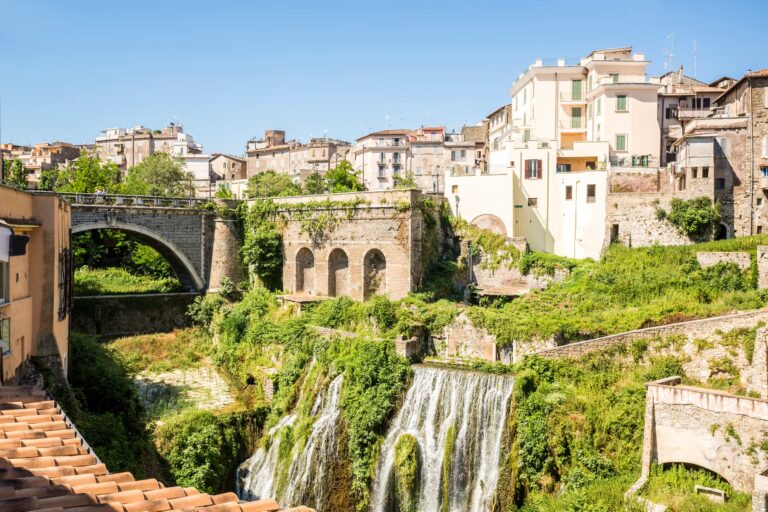
A romantic park carved by the power of the water. After the devastating flood of the Aniene River in 1826, Pope Gregory XVI diverted the river through two galleries carved into Mount Catillo: thus was born the Grand Cascade, a 120-meter-high waterfall that still leaves one breathless today.
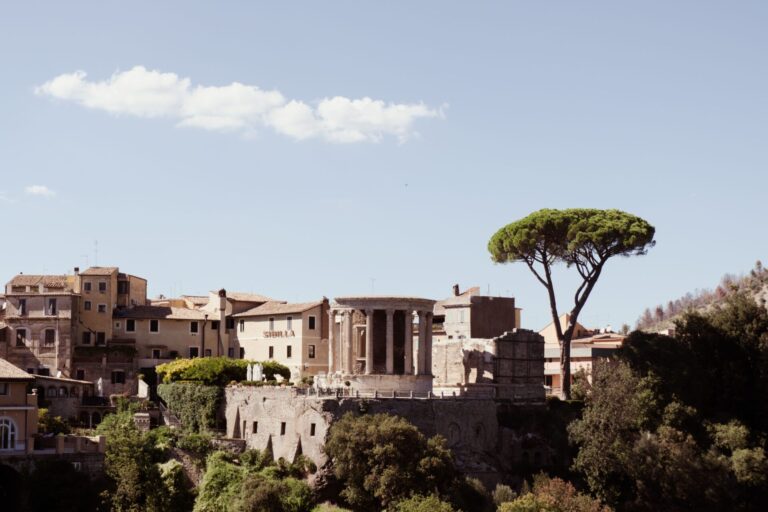
Trails surrounded by greenery descend into the valley between forests, rocks and waterfalls, to the Cave of Neptune and the Cave of the Sirens, where the water flows between the remains of an ancient Roman villa. High up on the city's acropolis, the temples of Vesta and the Sibilla watch over the landscape for more than two thousand years.
Restored and managed by FAI, it is a must-see walk, just a few minutes' walk from the Suite.
10 min drive from the Suite
Hadrian's Villa
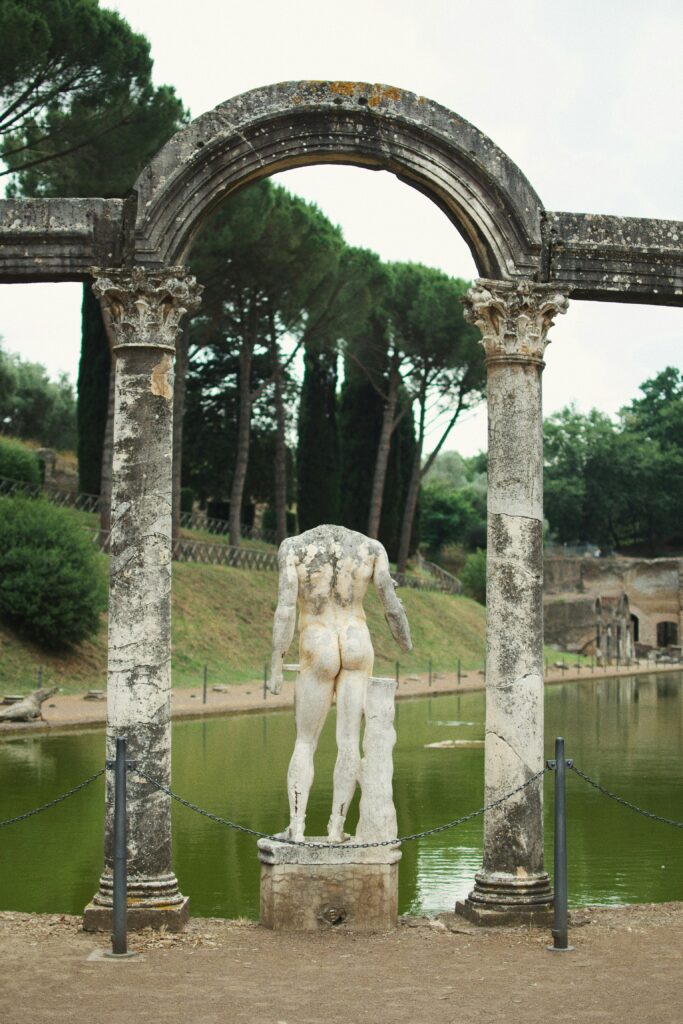
Villa Adriana, an archaeological jewel located in Tivoli and designated a UNESCO World Heritage Site since 1999, was the magnificent private residence of Emperor Publius Aelius Traianus Hadrianus. Built between 118 and 138 AD, it reflected Hadrian's longing for a retreat from Roman life and his deep passion for art, architecture, and the diverse cultures of the ancient world.
Hadrian, a man of vast culture and an accomplished amateur architect, envisioned the Villa as a synthesis of his many travel experiences. His extensive journeys throughout the Roman Empire had captivated him with the architecture of Greece, Egypt, and Asia Minor, and these influences came together in the design of this extraordinary complex.
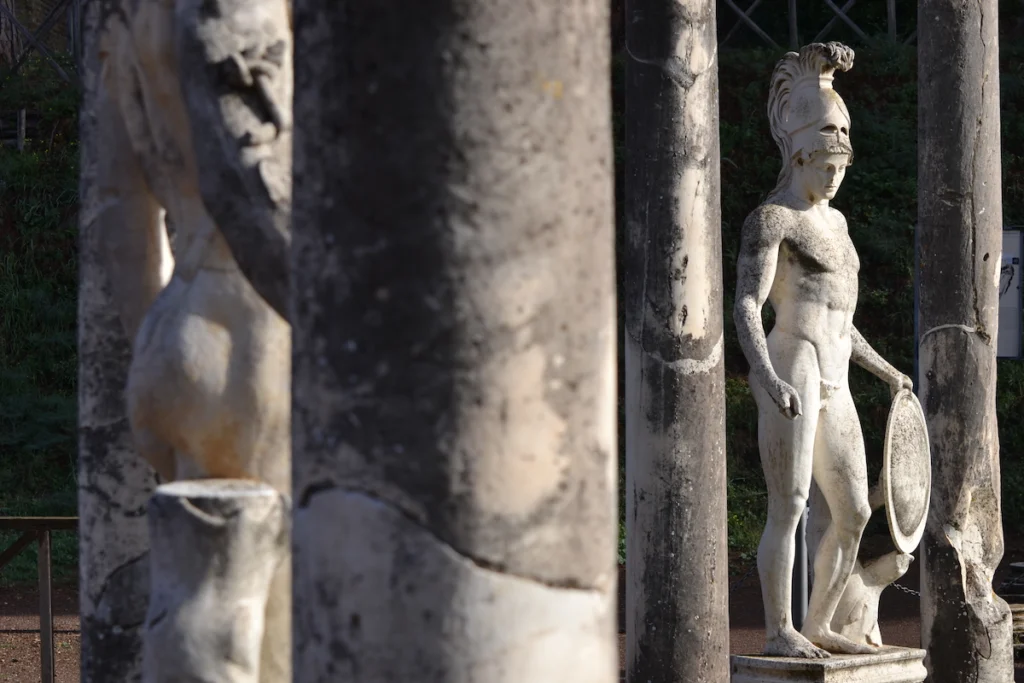
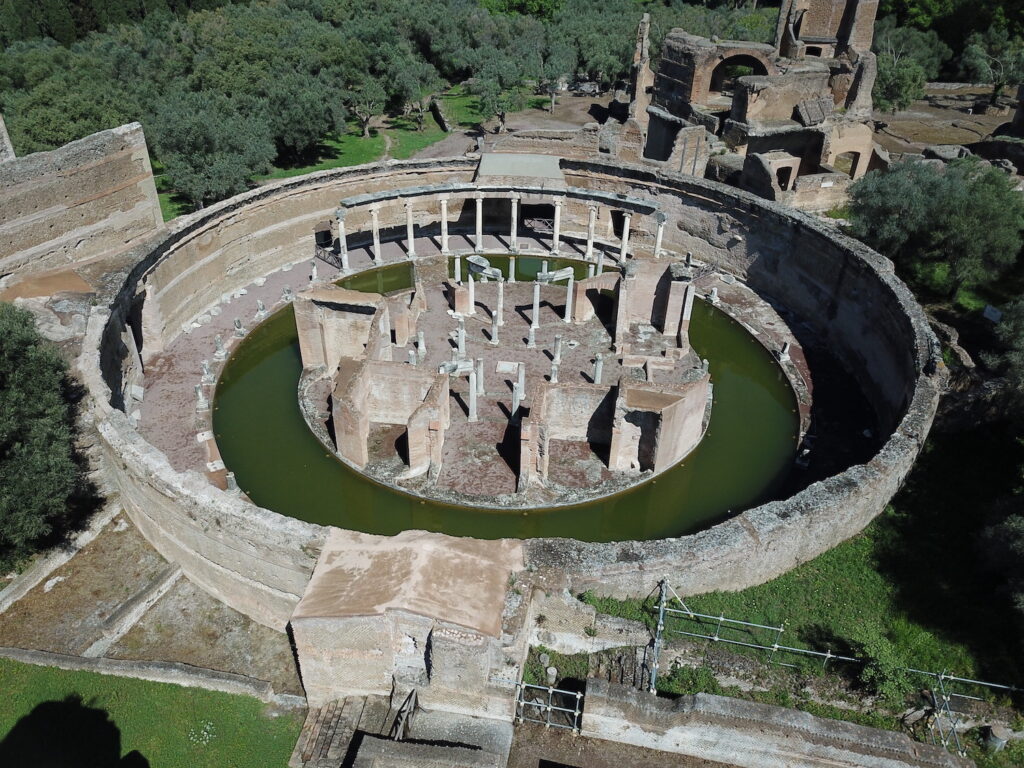
Spanning approximately 120 hectares, Villa Adriana is far more than a residence — it is a true miniature city. The estate encompassed a remarkable variety of structures, including palaces and private quarters for the emperor and his court, vast thermal complexes such as the Large and Small Baths dedicated to wellbeing, and several theatres — among them the Maritime Theatre and a Greek Theatre — reflecting Hadrian's deep appreciation for the performing arts. The Villa was adorned with expansive gardens, nymphaea, and fountains that created a seamless harmony between architecture and landscape. Among its most iconic buildings are the Pecile, a grand colonnaded courtyard inspired by Athens' Stoa Poikile, and the Canopus, a long reflecting pool evoking the Egyptian canal of Alexandria, bordered by statues and architectural elements of Hellenistic and Egyptian inspiration. The complex also housed several libraries, underscoring the emperor's passion for learning and intellectual pursuit.
The construction of Villa Adriana was a remarkable feat of architectural and engineering innovation. Advanced techniques were employed, including the extensive use of concrete and ingenious systems for water supply and climate control. Hadrian himself took an active role in the design process, introducing bold forms and spatial concepts — such as domes and vaulted structures — that anticipated architectural developments centuries ahead of their time.
Today, walking among the majestic ruins of Villa Adriana is an experience that allows visitors to step back into history and art, offering a glimpse into the grandeur of the Roman Empire and the visionary mind of one of its most enlightened emperors. Despite the passage of centuries, the site continues to inspire awe with its timeless beauty, architectural brilliance, and remarkable complexity.
5 min walk from the Suite
Sanctuary of Hercules Victor
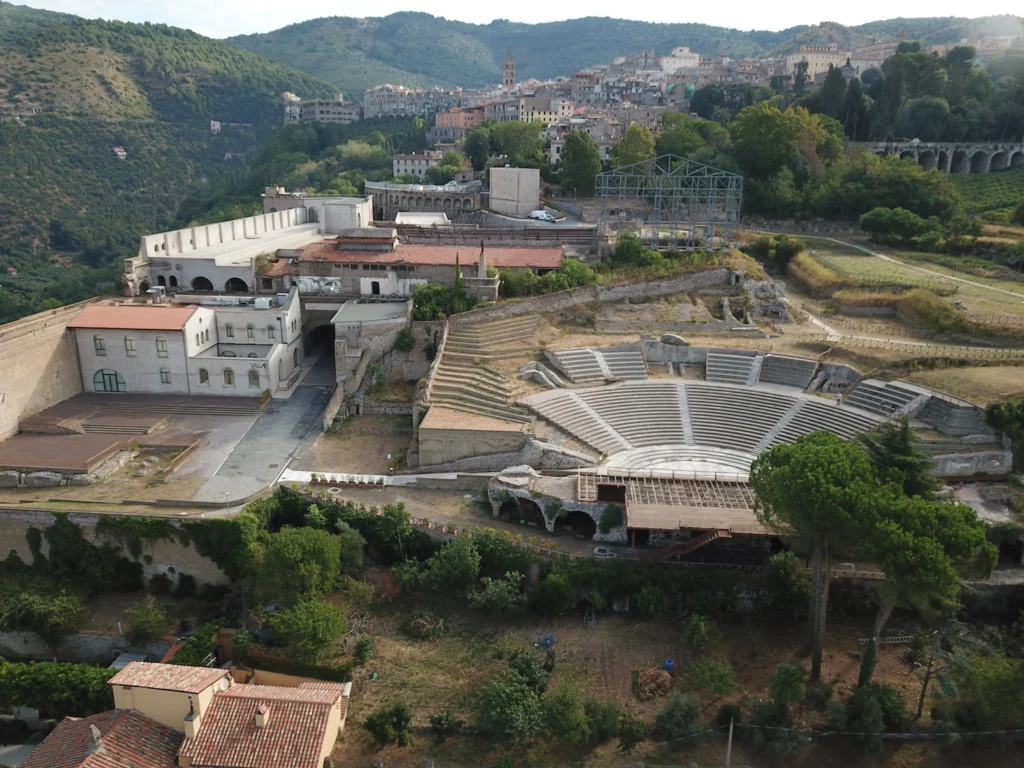
The Sanctuary of Hercules Victor is one of the largest sacred complexes of Roman Republican architecture, built beginning in the 2nd century BC. This monumental and scenographic structure rises on a vast terrace overlooking the Aniene River, along an ancient transhumance route that would later become the Via Tiburtina. The road itself was ingeniously incorporated into the architectural complex through a covered passageway, seamlessly blending sacred space and urban infrastructure.Via Tecta).
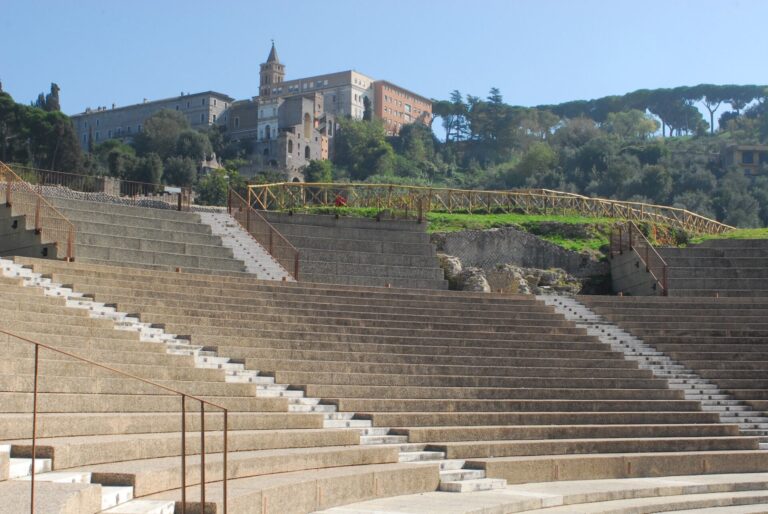
The sanctuary was composed of three main sections: the theatre, which took advantage of the natural slope of the terrain; a large square bordered by porticoes; and, at its center and aligned with the theatre, the temple itself. Following the decline of the sacred site, the presence of water channels encouraged the establishment of mills, armories, and foundries, later giving rise to the first hydroelectric power plant from which alternating current was transmitted remotely — and eventually to a paper mill. Today, the Sanctuary thus embodies not only a remarkable example of ancient Roman religious architecture but also an extraordinary heritage of industrial archaeology, where centuries of innovation and transformation coexist in a single, fascinating place.
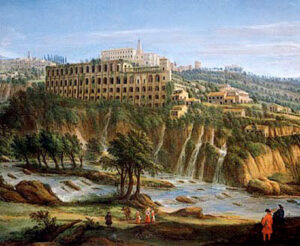
1 min walk from the Suite
Mensa Ponderaria
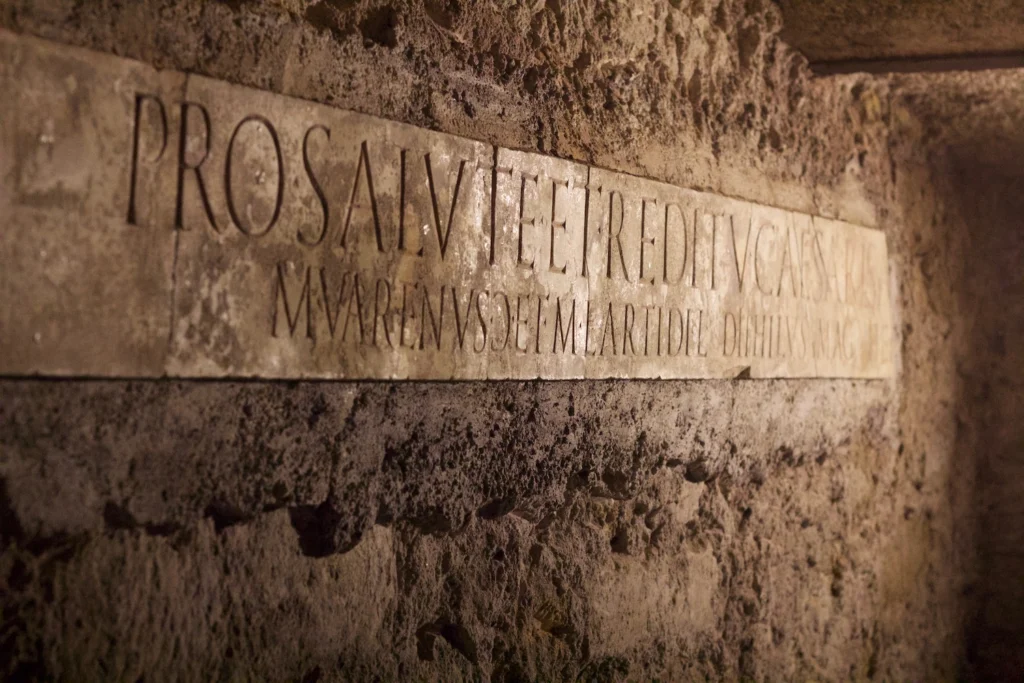
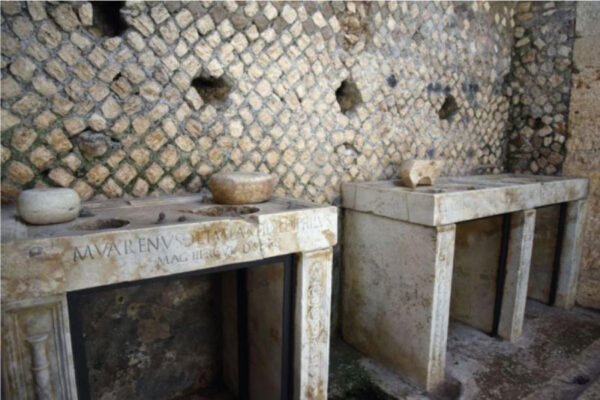
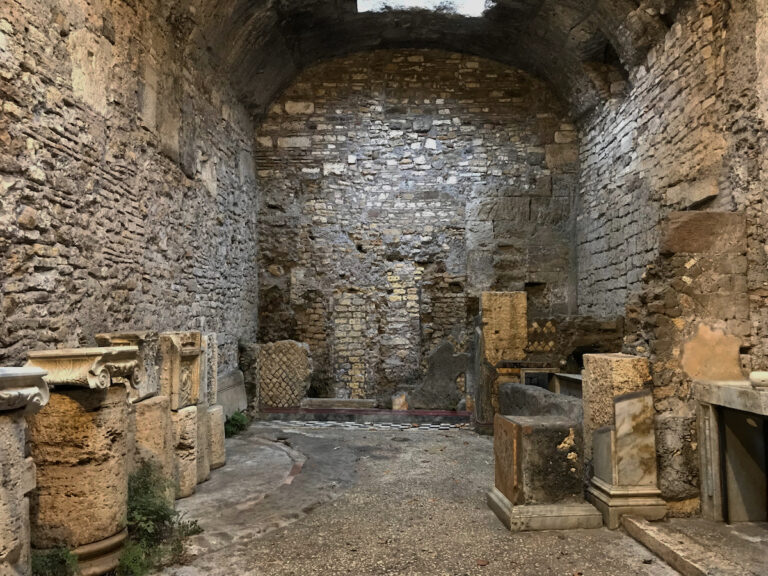
The Mensa Ponderaria, or public weighing station, was located in the forum of the ancient city of Tibur. The building, probably dating from the Augustan age, was discovered by chance in 1883. It represents one of the rare instances where the specific function of a public weighing facility could be clearly identified, thanks to the presence of two marble mensae equipped with concave cavities of varying sizes, designed to hold the official standard weights used for trade and commerce.
An adjacent environment, discovered in 1920, was probably dedicated to the worship of the emperor (Augusteum). An inscription provides information about the person responsible for the arrangement, the freedman Marco Vareno Difilo, master of the Herculaneum corporation, a wealthy and powerful guild connected to the cult of Hercules.
10 min drive from the Suite
Mausoleum of the Plautii
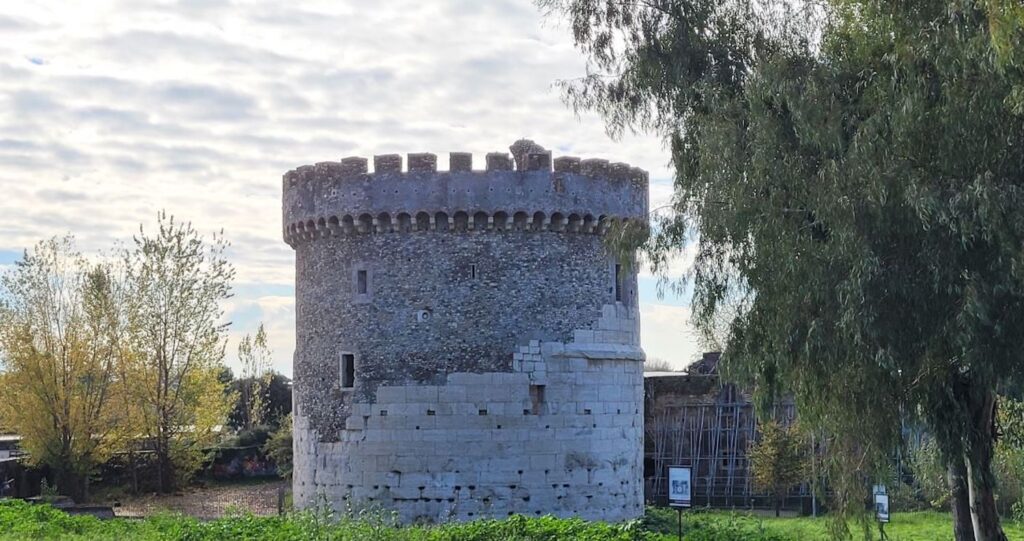
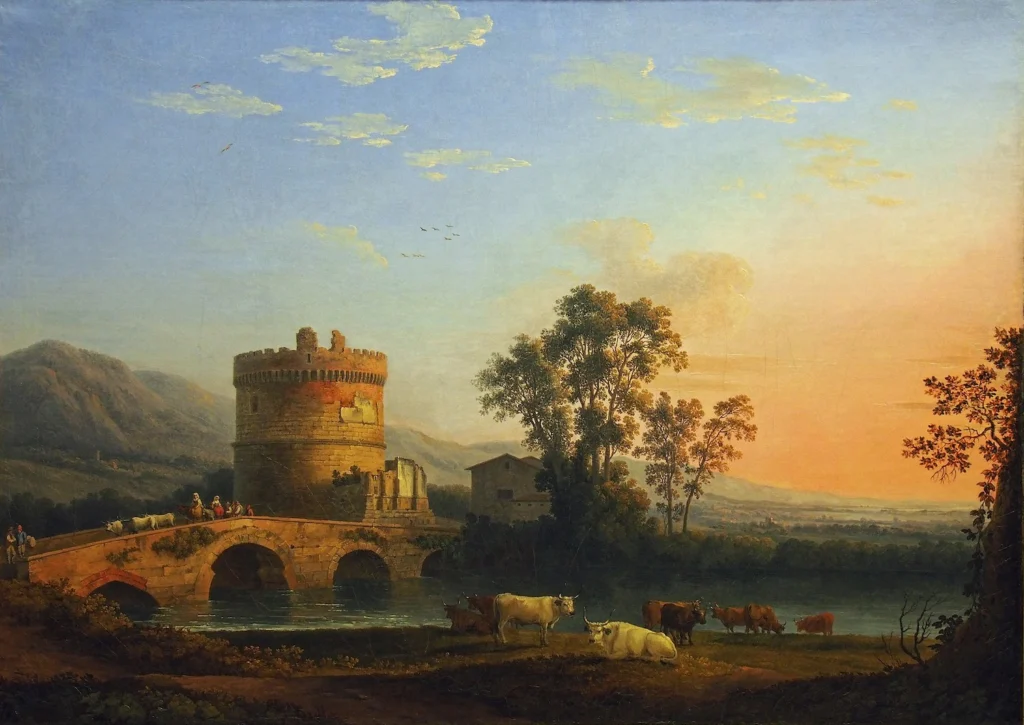
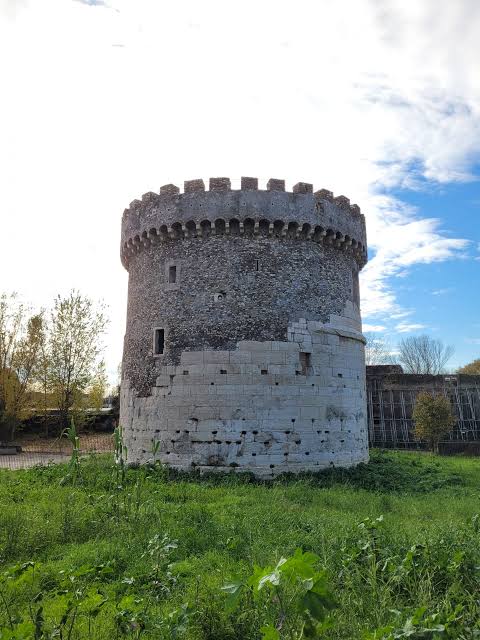
The Mausoleum of the Plautii, located southeast of Ponte Lucano and dating back to the 1st century AD, is an important example of a Roman funerary monument. Constructed from blocks of travertine, it consists of a cylindrical body on a square base, with a burial chamber. It housed the remains of the Plautii family, including M. Plautius Silvanus and his wife Lartia. Over the centuries it has undergone numerous modifications, including transformation into a defensive outpost and then into a crenellated tower in the Middle Ages. In 1834, conservation projects began, culminating in recent restorations by the Superintendency of Archaeology, Fine Arts, and Landscape. In July 2022, it was decided that the monument, along with Villa Adriana and Villa d'Este, will be fully accessible, allowing for access from a new perspective and greater enhancement.
Discover
our town
Book your stay
Choose your dates on the calendar, see the price straight away and book direct, with no booking-site fees.
Would you rather write to us?
+39 342 6637430 · info@suitedelpittore.com
Flexible rate with free cancellation up to 7 days before arrival, or non-refundable rate at a 10% lower price. Secure payment through Nexi.